Retail Models
The four retail models
Every physical retail business is some version of one of these four. They differ in what they cost, what they demand, and what they give back. Here's how to read them against your own situation.
Low risk · High flexibility
Mobile & Pop-Up Retail
Bring the store to the customer. A truck, a trailer, a cart, a short-term space — retail that can move, change, test or stop without a long-term commitment.
This is the lowest-risk way to put real product in front of real customers. You test a concept, a market, a price point and a customer base in the real world, rather than guessing on a spreadsheet — and if the answer comes back “not here” or “not this,” you simply move and try again instead of breaking a lease.
This is also a model that can be underestimated. While there's great flexibility, vehicles can also need permits, power, storage and maintenance. Events need to be booked, and your schedule can be unpredictable based on markets, festivals and weather. You may save a lot in risk and cost, but you'll also need to spend on logistics and hustle.
Strengths
- Lowest risk of any model
- Test multiple markets before committing to one
- Your location is a decision, not a contract
- Built-in marketing — the vehicle is the billboard
Watch for
- Permits and regulations vary by town and event
- Weather and seasonality hit revenue directly
- Limited inventory and storage capacity
- Vehicle maintenance is a real operating line
Right for you if
You want to prove the concept before you bet your savings on it, you are comfortable with an unpredictable schedule, and being physically present is part of what you're selling.
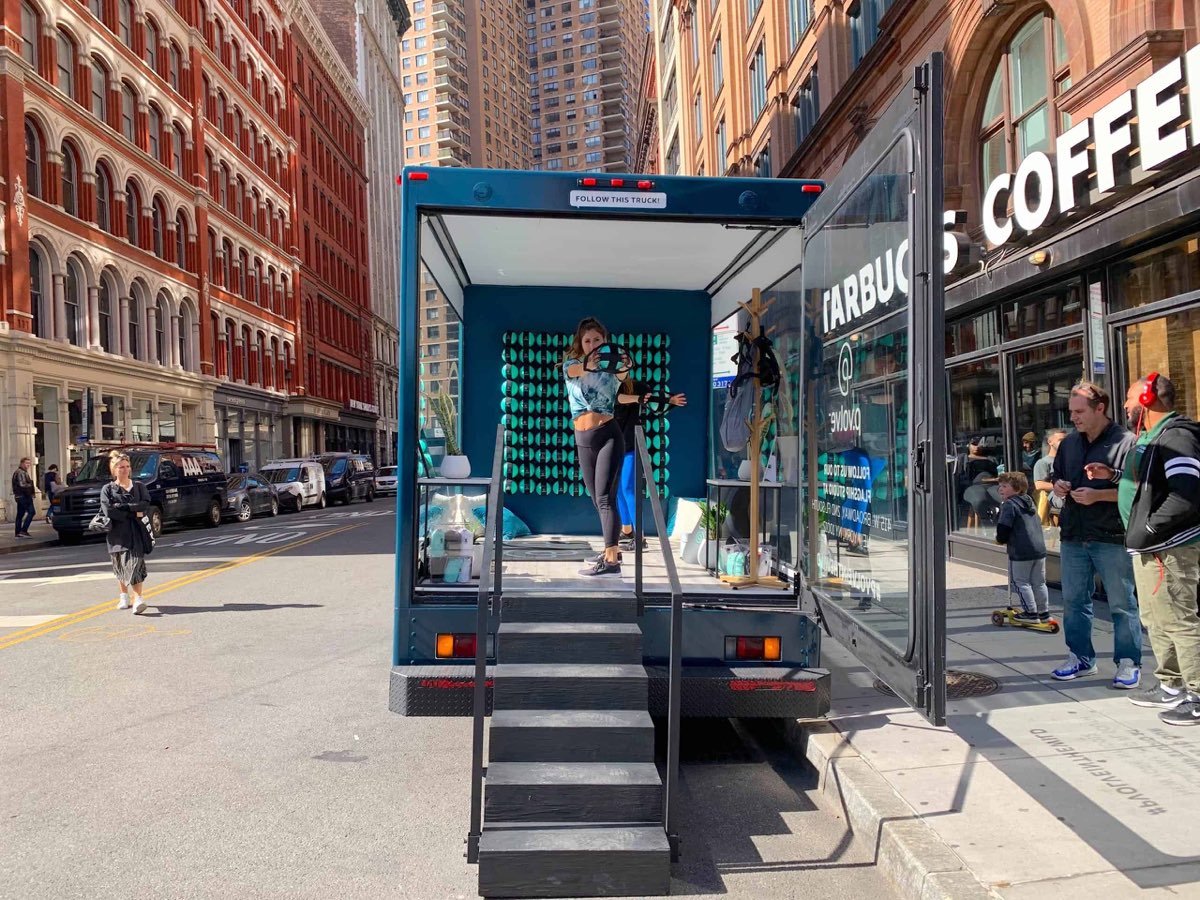
Mobile & pop-up retail in action
Shared traffic, marketing & revenue
Shop-in-Shop
Put your concept inside somebody else's established business — a gym, a salon, a hotel, a larger store — and share foot traffic, marketing and expenses.
The economics here can be quite favorable for a first physical location, building an initial client base or testing a location. Someone has already solved the hardest — and arguably the most expensive — problem in retail: getting the right people through the door. You are renting access to an audience that's already assembled, already in the right mindset, and already trusts the host. In turn, you're expected to elevate the client experience.
The trade is control. Your hours are their hours. Your aesthetic lives inside theirs. Their reputation becomes partly yours, and if their traffic declines, yours declines with it — and you have limited ability to remedy the situation. Choosing the right host partner, and understanding and negotiating the agreement you sign with that host, matters enormously here. It could determine whether you succeed or fail.
Strengths
- Inherit an established, qualified customer flow
- Overhead and marketing costs are shared
- Credibility by association with the host brand
- Shorter commitment than a standalone lease
Watch for
- Your success is tied to the host's performance
- Restrictions on hours, layout and branding
- Revenue-share terms can erode thin margins
- Agreements usually favor the host
Right for you if
Your product, concept or service has a natural home inside an existing business, you'd rather borrow an audience than build one from zero, and you can live with operating inside somebody else's rules.
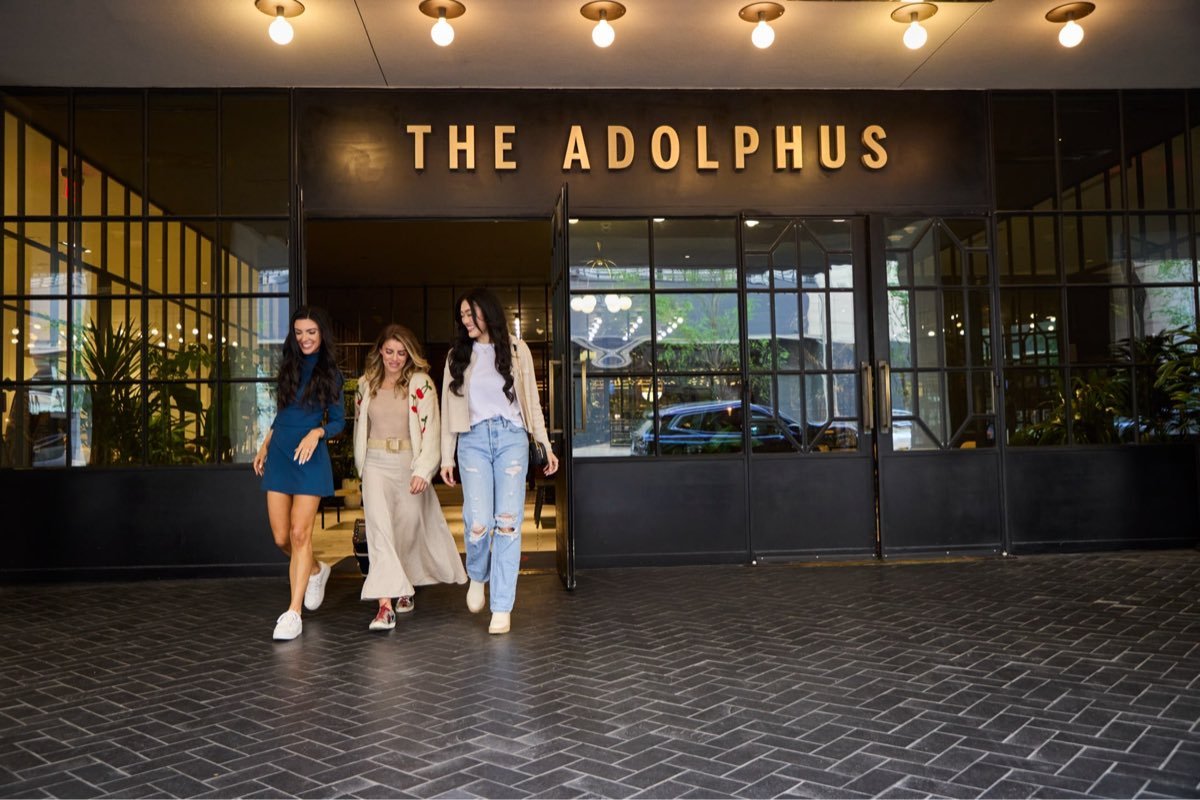
Shop-in-shop retail in action
Full creativity, no inventory
Showroom & Concept Store
A curated space with rotating designers and concepts that thrives on ever-changing experiences.
This is the model that removes the single heaviest burden in traditional retail: paying for inventory up front and hoping it sells. Instead, brands pay you for placement, for curation, for access to the audience and environment you've built. Your capital goes into the space and the experience, not into boxes in a stockroom.
What it demands in return is taste and relationships. You're not merchandising a shelf — you're running a rotating programme, which means constantly sourcing brands, negotiating terms, and refreshing the floor. A concept store that stops changing stops being a concept store. The creative ceiling is the highest of any model; so is the curatorial workload.
Strengths
- Little or no owned inventory to finance
- Revenue from placement, commission and events
- The highest creative ceiling of any model
- A rotating floor gives customers a reason to return
Watch for
- Constant sourcing — the floor must keep changing
- Revenue depends on brand relationships you maintain
- Buildout and fit-out costs are still yours
- Harder to explain to lenders than a standard store
Right for you if
Curation is genuinely your strength, you have built — or excel at building — relationships, and you want a space that expresses a point of view as much as a product.
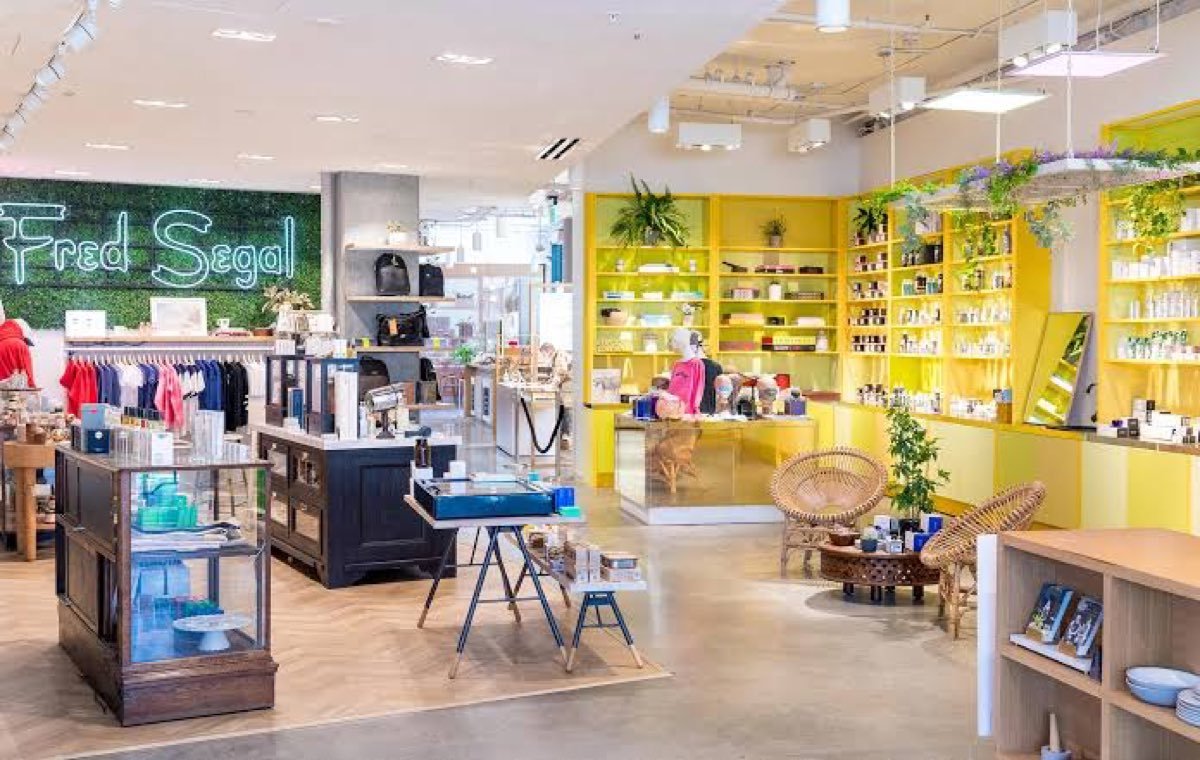
Showroom & concept retail in action
Full control · Full responsibility
Traditional Retail
Your space, your design, your merchandise, your lease. Everything is yours to decide — which is exactly why everything is also yours to carry.
This is what most people picture when they think of a store, and there's a reason it endures: nothing else gives you this much command over the experience. You choose the location, design the space, buy the merchandise, set the hours, hire the team and build a brand that is unambiguously yours. The upside, when it works, is the largest of any model — but so is the risk.
It's the model with the highest investment costs and least room for error. A lease is a multi-year obligation signed before you have a single day of sales data. Inventory is paid for before it earns. Rent, payroll and utilities arrive every month whether the weather cooperated or not. Location isn't a preference here — it's the variable that most often decides the outcome.
Strengths
- Complete control over brand, space and experience
- You keep the full margin on everything you sell
- Builds a tangible, financeable business asset
- Highest ceiling on revenue per location
Watch for
- Multi-year lease signed before any sales data exists
- Inventory is paid for long before it earns
- Investment costs can be high and take a long time to recoup
- The wrong location is very expensive to undo
Right for you if
You have the capital and the runway to absorb the breakeven time, you've evaluated demand somewhere already, and full ownership of the experience is worth carrying the high risk.
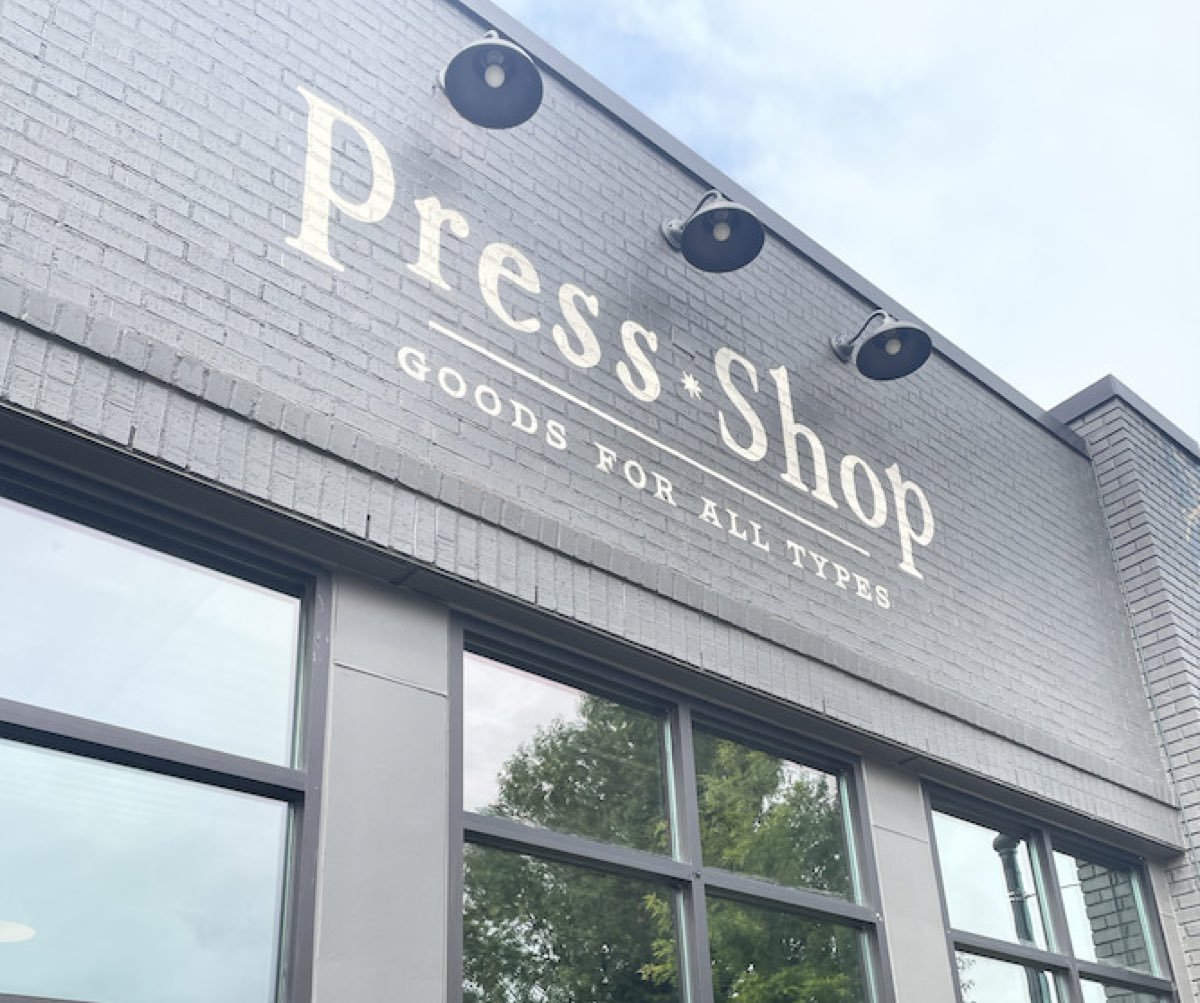
Traditional retail in action
So which one is yours?
Reading a list isn't the same as making the decision
You can see the trade-offs here. What you can't see from a page is how they land against your capital, your timeline and your tolerance for risk. That's what the master class is for — a structured assessment, then a plan built around the answer.